How to Choose Between Mainland vs Freehold Zones in UAE
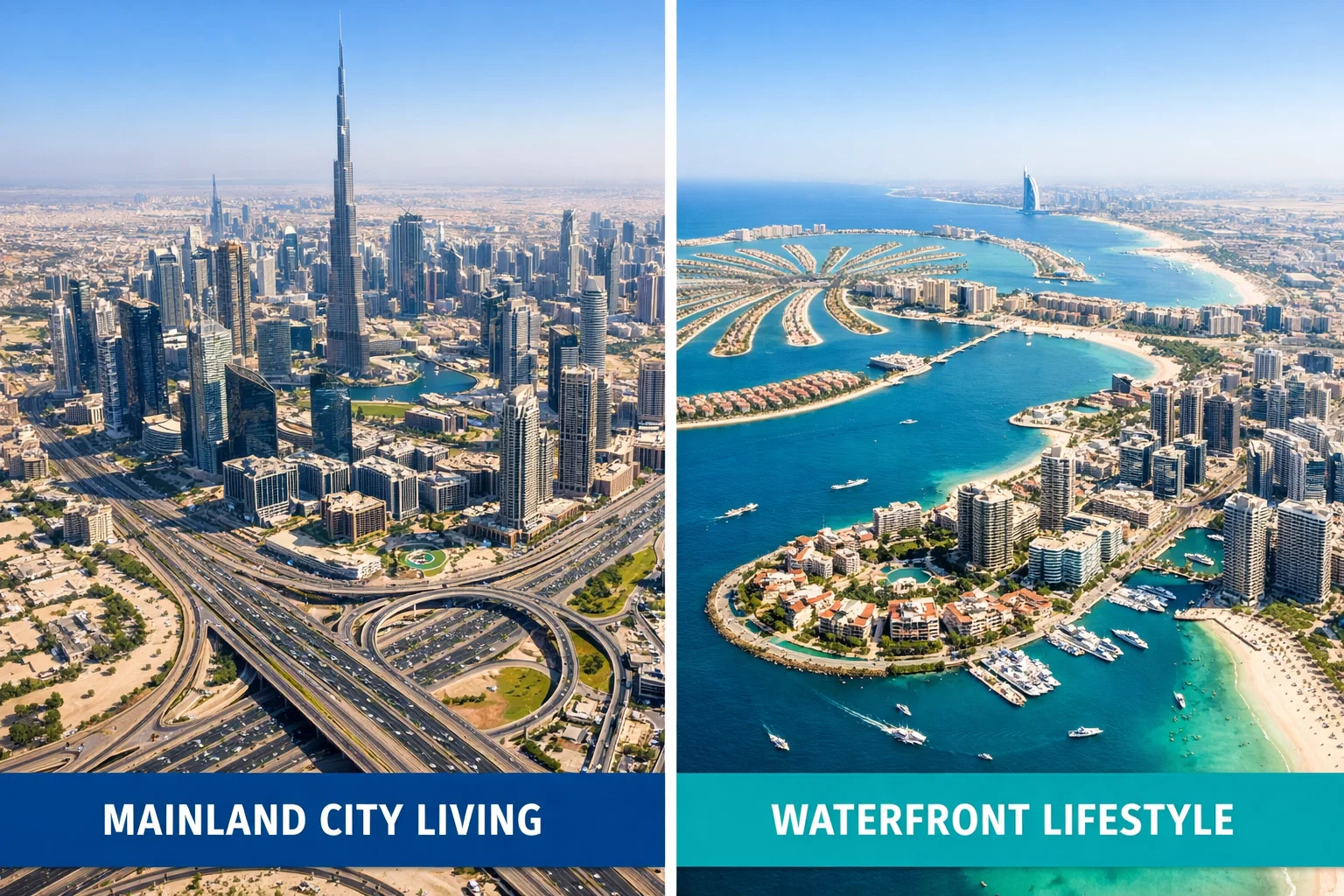
Understanding Mainland and Freehold Zones
Mainland Properties
Freehold Properties
Key Differences Between Mainland and Freehold Zones
Factors to Consider Before Investing
1. Investment Goals
2. Legal and Ownership Rights
3. Location Preference
4. Rental Income Potential
5. Future Development
Benefits of Investing in Mainland Zones
Benefits of Investing in Freehold Zones
Tips for Choosing Between Mainland and Freehold Zones
Common Mistakes to Avoid
Why Seek Expert Advice?
Conclusion
How to Choose Between Mainland vs Freehold Zones in UAE The UAE real estate market has emerged as one of the most attractive investment destinations globally. With high returns, modern infrastructure, and investor-friendly regulations, buying property in the UAE is a lucrative opportunity. However, if you are planning to invest, one of the first questions you will face is: how to choose between mainland and
freehold zones? Understanding the differences between these property zones is crucial to make an informed decision. In this blog, we will guide you through the main distinctions, benefits, and factors to consider when selecting between mainland and freehold zones in the UAE. Understanding Mainland and Freehold Zones Before we dive into the pros and cons, let’s define these two types of property zones: Mainland Properties
Mainland properties refer to real estate located within the designated areas under UAE law where foreigners can buy, lease, or invest with specific conditions. Mainland zones are regulated directly by the UAE government, allowing investors to benefit from: Business licensing opportunities Flexibility in property use Potential residency visas for property owners Freehold Properties Freehold properties are located in designated areas where non-UAE nationals have full
ownership rights. These zones are specifically developed to attract foreign investment, and they provide: Complete ownership (freehold title) Easier resale and rental opportunities Access to world-class communities and developments Key Differences Between Mainland and Freehold Zones When asking how to choose between mainland and freehold zones , it is essential to understand the differences that can affect your investment strategy. Feature Mainland Zones Freehold Zones
Ownership Usually leasehold for foreigners 100% freehold ownership for foreigners Residency Property purchase may lead to residency Some freehold areas offer residency permits Business Setup Allows business registration on property Business setup may be limited Location Spread across cities, prime areas Often in designated developments or communities Flexibility Flexible property usage Mostly residential or specific projects Factors to Consider Before Investing When you are trying
to decide how to choose between mainland and freehold zones , consider the following factors carefully: 1. Investment Goals Your investment objective plays a critical role. If you are looking for: Long-term capital growth → Freehold zones in prime locations may provide higher returns. Business opportunities → Mainland zones allow you to set up a company and operate directly from your property. 2. Legal and
Ownership Rights Mainland properties often come with leasehold agreements for foreigners, while freehold properties provide complete ownership. Understanding the legal framework ensures your investment is secure. 3. Location Preference Location is everything in real estate. Freehold zones are typically in planned communities with modern amenities, while mainland properties may offer strategic urban access but limited facilities in certain areas. 4. Rental Income Potential Rental returns
vary between mainland and freehold zones: Freehold properties often attract expatriates and tourists, offering consistent rental income. Mainland properties may have fluctuating demand depending on the business setup and location. 5. Future Development Freehold zones are often part of large-scale, master-planned communities with continuous infrastructure development, which may increase property value over time. Mainland zones might have slower development pace but better access to city
hubs. Benefits of Investing in Mainland Zones Business-friendly : Ideal for entrepreneurs and companies Flexible property use : Can be used for commercial or residential purposes Residency opportunities : Certain purchases may qualify for residency visas Access to city centers : Many mainland properties are located in prime urban areas Benefits of Investing in Freehold Zones Complete ownership : Foreigners have 100% ownership rights World-class
communities : Freehold areas often include luxury developments, waterfronts, and gated communities Higher resale value : Easier to sell or rent out Stable investment : Less dependent on business-related regulations Tips for Choosing Between Mainland and Freehold Zones Here are actionable tips to help you answer how to choose between mainland and freehold zones : Define your investment purpose : Residential, commercial, or mixed-use. Check
legal requirements : Make sure you understand ownership laws and visa eligibility. Consider location carefully : Proximity to work, schools, transport, and amenities matters. Evaluate the community : Freehold zones often have better facilities and lifestyle options. Compare ROI : Look at rental yields, price appreciation, and market trends. Common Mistakes to Avoid Even with clear guidance, investors sometimes make mistakes: Ignoring legal restrictions :
Mainland properties may have limits for foreigners. Overlooking hidden fees : Maintenance charges and service fees can impact returns. Chasing trends blindly : Location and quality matter more than hype. By understanding these pitfalls, you can make a smart, secure investment. Why Seek Expert Advice? Navigating the UAE property market can be complex. Experts help you: Compare mainland vs freehold options Identify high-potential properties Ensure
Key Topics
- How to Choose Between Mainland and Freehold Zones in UAE