Can Foreigners Buy Property in Dubai?
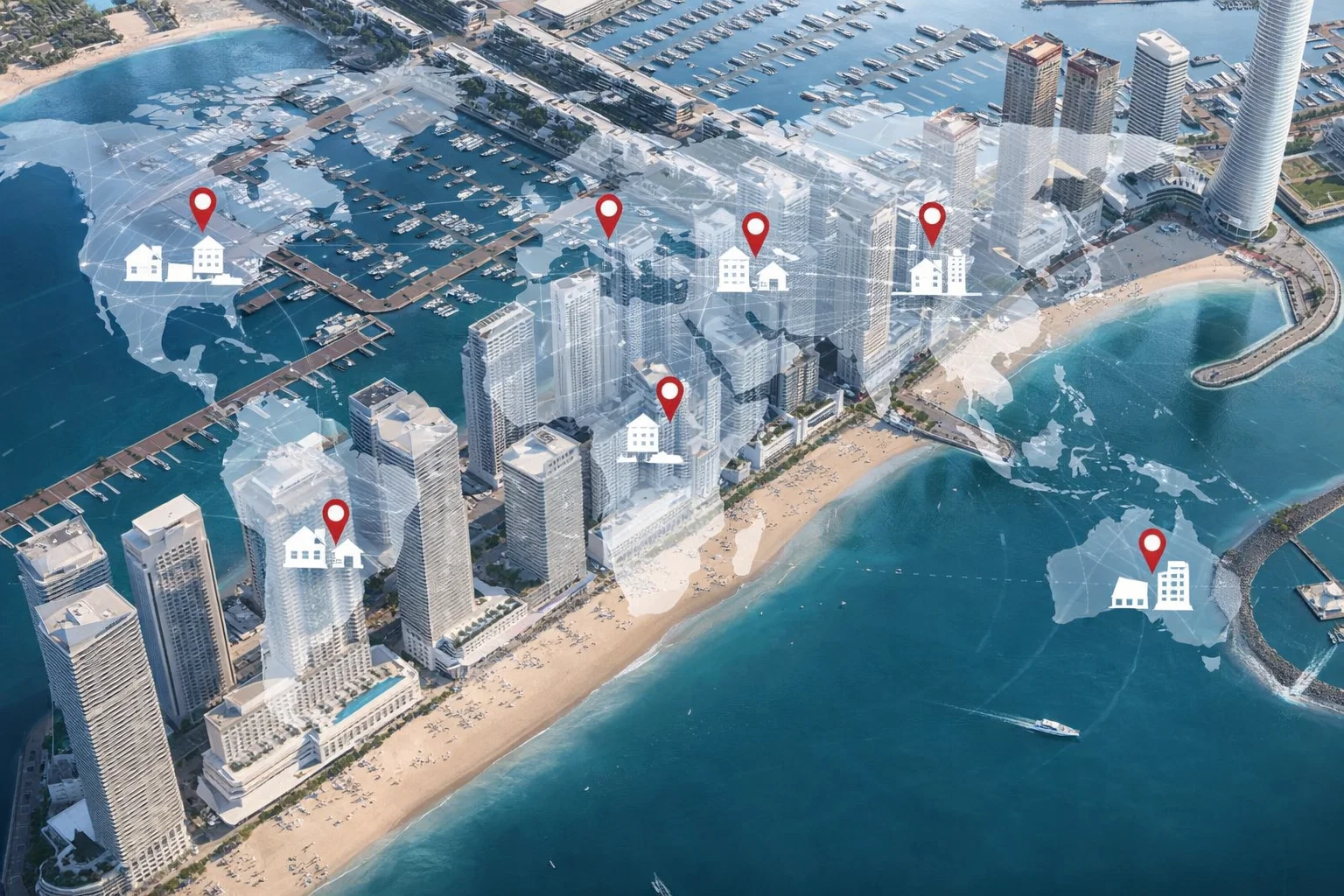
Freehold vs Leasehold for Foreigners
Freehold Property
Leasehold Property
Designated Freehold Areas in Dubai
Legal Requirements for Foreign Buyers
Costs Involved in Buying Property
Can Foreigners Get a Mortgage in Dubai?
Residency Visa Through Property Investment
Rental Income and Taxes
Rules for Selling Property as a Foreigner
Key Risks to Be Aware Of
Why Choose Banke International Properties
Conclusion
Dubai has become one of the most attractive real estate markets for international buyers. With investor-friendly policies, tax advantages, and strong legal protection, the city offers a seamless process for foreign ownership. If you are planning to invest, understanding the Dubai property rules for foreigners is essential to make informed and secure decisions. Can Foreigners Buy Property in Dubai? Yes, foreigners can legally buy property
in Dubai, but only in designated freehold areas approved by the government. In these zones, foreign investors receive full ownership rights, making Dubai one of the most open and accessible property markets globally. Freehold vs Leasehold for Foreigners Freehold Property Full ownership of the property and land Right to sell, lease, or transfer ownership No time limit on ownership Leasehold Property Ownership for a fixed
period, usually up to 99 years Limited rights compared to freehold ownership Less flexibility for resale and transfer For most foreign investors, freehold properties are the preferred option because they provide long-term security, control, and investment flexibility. Designated Freehold Areas in Dubai Foreigners can buy property in many of Dubai’s most popular and high-demand communities. Common freehold areas include: Dubai Marina Downtown Dubai Palm Jumeirah
Business Bay Jumeirah Village Circle (JVC) Dubai Hills Estate These areas offer a wide range of property types, from luxury waterfront residences to affordable apartments and family communities. Legal Requirements for Foreign Buyers To purchase property in Dubai, foreign buyers generally need the following: A valid passport A signed Sale and Purchase Agreement (SPA) Payment of required government and registration fees Registration of the property
with the Dubai Land Department (DLD) There is no requirement to be a UAE resident in order to own property in Dubai. Costs Involved in Buying Property Foreign buyers should factor in several additional costs when purchasing property in Dubai. These commonly include: Dubai Land Department fee of 4% of the property value Agency commission, typically around 2% Property registration and trustee office fees Mortgage
arrangement fees if financing is used These are generally one-time costs and are still relatively low compared to many global property markets. Can Foreigners Get a Mortgage in Dubai? Yes, foreign investors can apply for mortgages through UAE banks and financial institutions. Important points include: Financing is often available for 50% to 75% of the property value Minimum salary or income requirements usually apply Interest
rates vary depending on the bank and applicant profile Many investors also prefer cash purchases because they can speed up the buying process and strengthen negotiating power. Residency Visa Through Property Investment Dubai also offers residency options linked to property investment, which adds further value for international buyers. Typical eligibility includes: Property worth AED 750,000 or more may qualify for an investor visa Property worth
AED 2 million or more may qualify for a long-term Golden Visa This combination of real estate ownership and residency benefits makes Dubai especially attractive to foreign investors. Rental Income and Taxes One of Dubai’s biggest advantages is its tax-friendly environment. Foreign property owners benefit from: No annual property tax No capital gains tax on resale No tax on rental income This allows investors to
enjoy higher net returns compared to many other international markets. Rules for Selling Property as a Foreigner Foreign owners are free to sell their property at any time without restrictions. Important considerations include: No restrictions on resale for foreigners Agency commission of around 2% may apply Capital gains remain tax-free This flexibility makes Dubai one of the most liquid and investor-friendly real estate markets globally.
Key Risks to Be Aware Of While Dubai is highly attractive for investors, it is still important to understand the risks involved. These may include: Short-term market fluctuations Service charges in premium developments Developer credibility and delivery timelines for off-plan projects Working with an experienced and trusted real estate advisor can help minimise these risks. Why Choose Banke International Properties At Banke International Properties, we
guide foreign investors through every stage of the buying process, from identifying opportunities to completing the transaction. We help clients by: Explaining legal requirements clearly Identifying the best freehold investment opportunities Managing paperwork and property registration Ensuring secure and profitable investments Our experience in the Dubai property market allows buyers to invest with confidence and clarity. Conclusion The Dubai property rules for foreigners are designed
to encourage international investment while ensuring transparency, security, and long-term confidence. With full ownership rights in freehold areas, tax-free returns, residency visa options, and strong legal protection, Dubai remains one of the best destinations for foreign real estate investment in 2026. Whether you are a first-time buyer or an experienced investor, understanding these rules is the key to making smart and successful property decisions.
Key Topics
- Dubai Property Rules for Foreigners: Complete Guide to Buying Real Estate in 2026